
MENU
As winter loosens its grip and the days slowly begin to lengthen, the ancient Celtic festival of Imbolc arrives like a quiet promise. Celebrated around February 1st–2nd, Imbolc marks the halfway point between the Winter Solstice and the Spring Equinox—a liminal moment when the earth is still resting, yet unmistakably stirring with new life.
Imbolc is not a loud or fiery festival. Its power lies in gentleness, intention, and faith in what cannot yet be seen.
Imbolc originates in the pre-Christian Celtic calendar and was widely observed across Ireland, Scotland, and other Celtic lands. The word Imbolc is often linked to Old Irish terms meaning “in the belly” or “milk”, referencing both pregnancy—of animals and the land—and the start of the lambing season.
This was a time when survival still depended on careful stewardship of food, body, and spirit. Yet there was relief too: the worst of winter had passed.
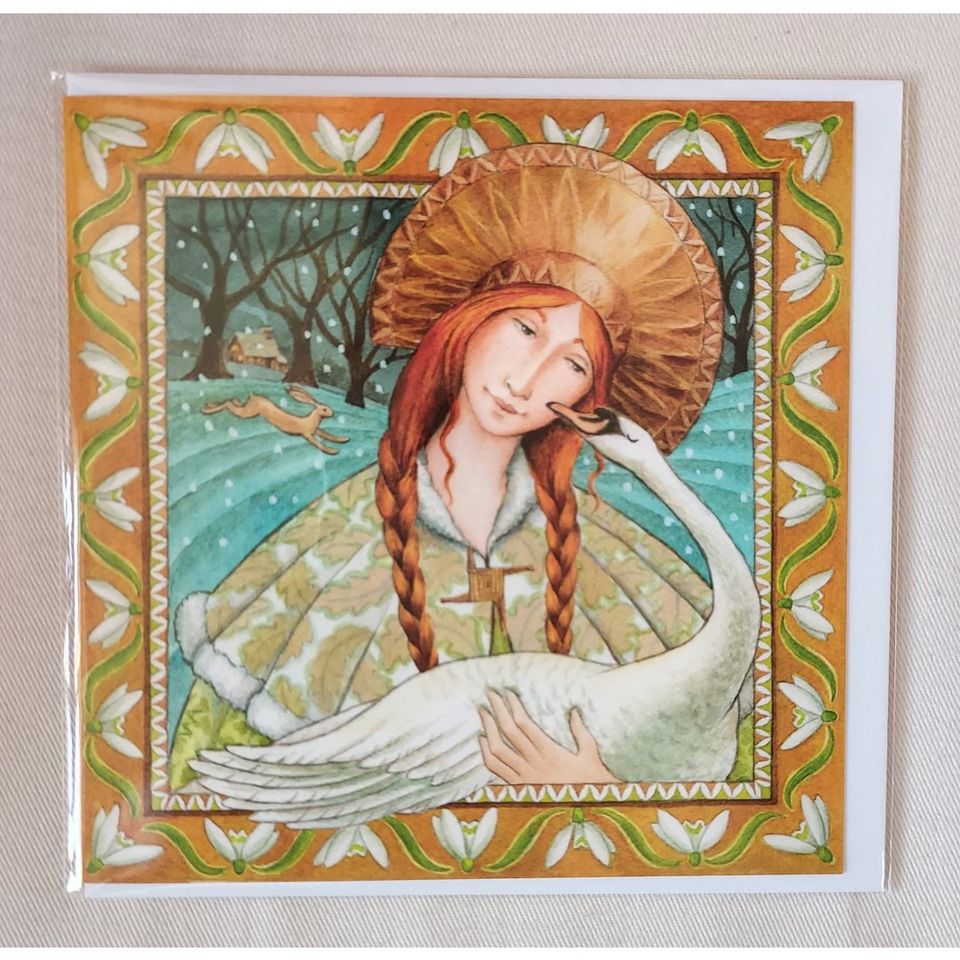
Imbolc later became closely associated with Brigid, a beloved Celtic goddess of:
With the spread of Christianity, Brigid was transformed into Saint Brigid, and many Imbolc traditions were absorbed into St Brigid’s Day—showing how deeply rooted this festival was in the cultural soul.
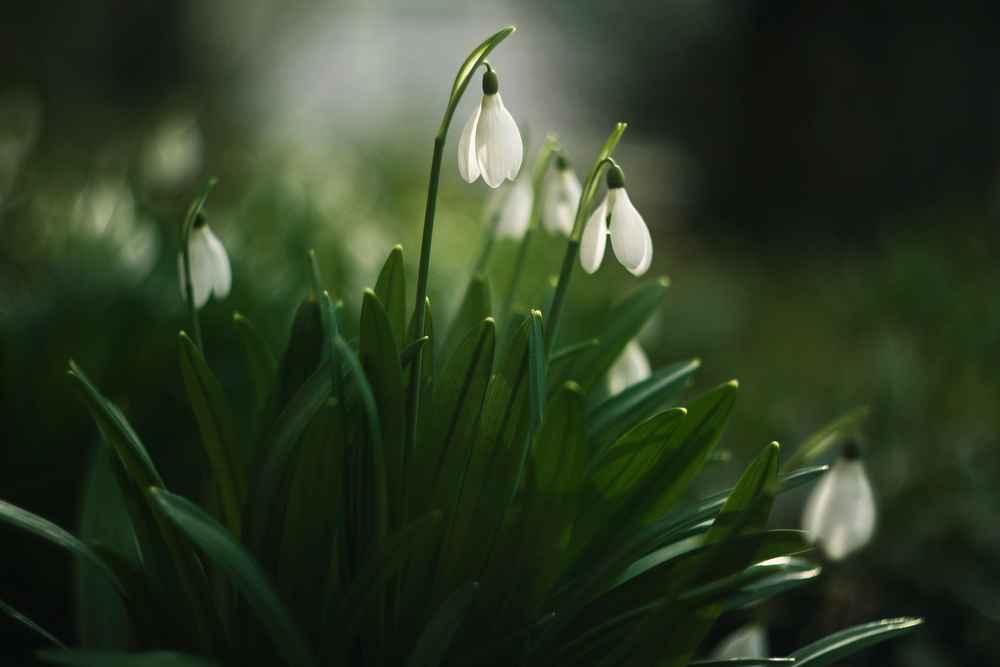
At its heart, Imbolc is about potential.
Not the full bloom of spring—but the idea of it.
Key themes include:
Candles and hearth fires are central to Imbolc, symbolising the sun’s slow return and the rekindling of inner light after winter’s darkness.
Seeds are forming beneath frozen soil. Likewise, our ideas, intentions, and healing processes may be invisible—but they are alive.
Imbolc was traditionally a time of cleansing—homes swept, tools blessed, and bodies rested—preparing for the agricultural year ahead.
With milk returning to the land, Imbolc reminds us to ask: What is nourishing me? What is draining me?
Imbolc invites soft action rather than dramatic transformation. This is not the season for pushing—it’s the season for listening.
Here are gentle ways readers can work with Imbolc energy for health and well-being:
Choose one candle and light it mindfully. Reflect on:
Write a single intention—not a long list. Imbolc honours simplicity.
Rather than a full overhaul, focus on one space:
Physical clearing often brings emotional clarity. Let go of what feels heavy or outdated.
Imbolc is ideal for restorative wellness:
Think nourish, not detox. The body is still emerging from winter.
Working with the Energy of Imbolc · The following journaling prompts invite you to explore
What ritual, song, or heart’s offering have you been holding close within your sacred heart? What future self is awaiting your invitation to show up in this now?
• What's on my mind that I want to share and express?
• What kind of support do I need to bring my visions to life?
• What gifts do I have that I want to share with others?
• What kind of sacred service is calling out to me right now?
• It's almost like there's a part of me that's ready to step up and make a difference. What does that look like for me?
Imbolc honours honesty without pressure.
Because of Brigid’s link to creativity, this is a beautiful time to:
You’re planting sparks, not building bonfires—yet.
In modern life, we often expect instant results. Imbolc offers a different wisdom: healing unfolds in its own time.
By slowing down, listening inwardly, and tending the small beginnings, we align ourselves with nature’s rhythm—one that values patience, resilience, and trust.
Imbolc reminds us that even in the coldest seasons, life is quietly preparing to rise.


